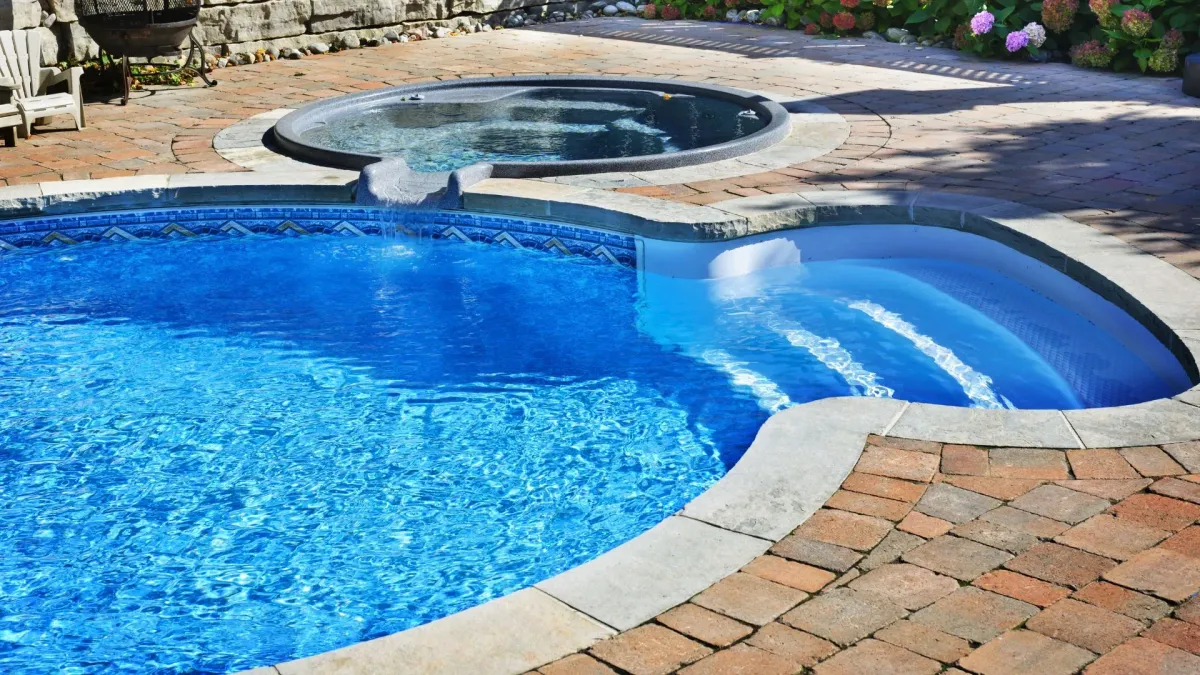
A backyard pool can be the ultimate home upgrade—whether it’s the go-to spot for summer fun, a relaxing place to unwind after a long day, or simply a peaceful, private retreat. It’s also a feature that can add real value to your property when maintained properly. But like anything else in or around your home, pools don’t stay in perfect condition forever. Concrete cracks, equipment wears out, and styles fade. Over time, that dream pool can slowly start to lose its shine.
That’s where pool renovations come in. Maybe you’ve noticed the finish is starting to peel, or your energy bills are creeping up thanks to aging, inefficient equipment. Perhaps you’re ready for a more modern look or need to add safety features to keep up with local codes or protect young kids and pets. No matter your reason, renovating a pool can bring both beauty and function back to your outdoor space.
However, as exciting as pool remodeling can be, it also comes with challenges. Without proper planning, you could end up with unexpected costs, delayed timelines, or results that fall short of your expectations. That’s why it’s crucial to approach renovations with the right mindset—and the right team. As home inspectors, we’ve seen what works and what doesn’t when homeowners decide to take the plunge.

When to Consider Pool Renovations
Not every pool needs a complete overhaul, but there are a few signs that suggest your pool is ready for some updates. Some issues are easy to spot, while others develop gradually over time. Either way, the longer you wait, the more costly they can become.
- Cracked or chipping pool surfaces: Rough, flaking plaster or visible cracks can cause injury and increase risk of water loss or deeper structural damage.
- Outdated or broken tile and coping: Crumbling grout or broken edges create safety hazards, while faded tiles date the appearance.
- Old plumbing or filtration systems: Loud noises, air bubbles, or poor water circulation indicate pumps or filters are failing.
- Increased water or energy bills: Unexplained utility hikes often stem from hidden leaks, worn heaters, or inefficient pumps.
- Faded style: Sleek finishes, smart lighting, and updated decking bring your backyard into the current decade.
Popular Pool Renovation Options
Once you’ve decided your pool is due for a refresh, consider pool resurfacing (plaster, pebble, quartz, glass tile), new decking & coping (pavers, stamped concrete), variable-speed pump and filter replacement, smart LED lighting & automation, and code-compliant pool fencing & covers.
What a Home Inspector Checks Before Renovation
An experienced home inspector evaluates pool shell integrity, deck slope & drainage, pump/heater/filter mechanical performance, electrical bonding & GFCI protection, and safety fencing/latch compliance. Fixing hidden issues prior to resurfacing saves thousands.

Planning a Pool Renovation the Smart Way
Create a budget cushion for surprises, research local permits and codes, choose durable materials suited for Ohio weather, hire licensed pool contractors, and verify post-renovation installation quality.
Common Mistakes to Avoid During Pool Renovations
- Skipping the pre-renovation inspection: Don't renovate blindly without knowing structural shell health.
- Not pulling proper permits: Unpermitted pool work leads to fines and resale issues.
- Choosing cheap materials that don’t last: Short-term savings lead to frequent repairs.
- Ignoring long-term maintenance needs: Pick low-maintenance equipment and durable finishes.
Why You Still Need a Post-Renovation Inspection
A post-renovation inspection confirms all new pumps, filters, heaters, automated controls, auto-latching gates, and anti-entrapment drain covers meet safety codes and operate leak-free.
Final Thoughts
Pool renovations breathe new life into your backyard and boost home value. Contact Mahon Services today to schedule a comprehensive pool inspection!
Need a home inspection?
Mahon Services Residential Inspection LLC — your go-to Ohio home inspector.