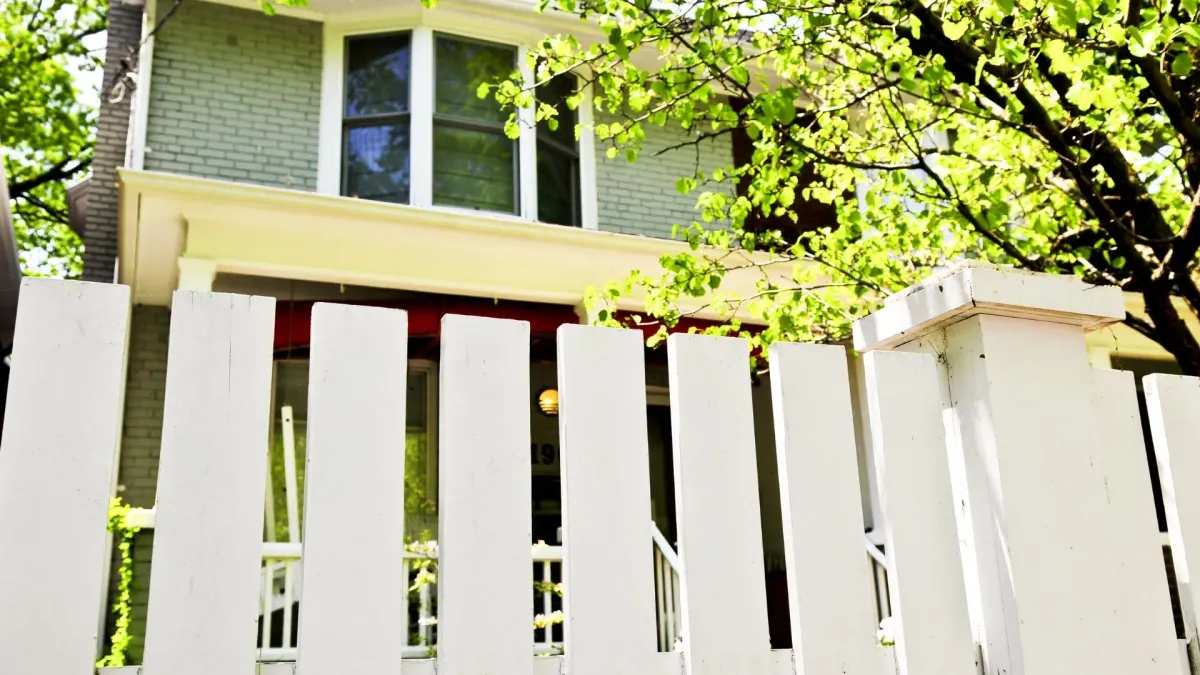
When you think about curb appeal, security, and even property value, a fence for your front yard plays a bigger role than most people realize. It’s the first thing people see when they approach your home—and it can either enhance or take away from your overall look. But choosing the right type of fence and keeping it in good condition takes more than picking a style you like.
Why Install a Fence for Your Front Yard?
Let’s start with the basics: why even bother installing a fence for your front yard? Here are the top reasons homeowners make the investment:
- Improved Curb Appeal: A stylish fence instantly makes your home look more polished and inviting.
- Property Boundaries: Clearly marks your land and avoids future disputes with neighbors.
- Security: Deters trespassers and adds a layer of protection for your family.
- Pet and Child Safety: Keeps kids and pets from wandering into the street.
- Privacy: Depending on the style, you can limit visibility from passersby.

Popular Front Yard Fence Materials
There’s no one-size-fits-all material when it comes to a fence for your front yard. Different materials serve different purposes and come with their own pros and cons. Here’s a breakdown:
- Wood Fences: Natural, classic look. Easily customizable. Requires regular sealing/staining. Vulnerable to rot and insects.
- Vinyl Fences: Low maintenance and durable. Won't rot or rust. Limited color choices. Can warp in extreme heat.
- Wrought Iron / Metal: Elegant and strong. Offers great visibility. Prone to rust without proper care.
- Aluminum Fences: Lightweight and rust-resistant. Lower cost than wrought iron. Less secure.
- Composite Fences: Eco-friendly and very durable. Mimics wood without upkeep. More expensive upfront.
- Chain-Link with Slats: Budget-friendly and fast to install, but not the most attractive option.
Style and Height: What to Consider
Your fence for your front yard doesn’t just need to be functional—it should also follow local rules and look great. Before building, check HOA rules, city height restrictions (typically 3–4 feet), sightlines, and intended purpose.
- Picket: Traditional, charming, and great for lower front fences.
- Horizontal Slats: Modern look with clean lines.
- Ranch-Style: Perfect for wide yards and open visibility.
- Privacy Panels: Best for creating separation, though less common in front yards.

Permits, Property Lines, and HOA Rules
Before you install a fence for your front yard, it’s essential to do your homework. Always get a land survey to avoid property line disputes. Verify local building permits and check HOA guidelines on materials, heights, and colors.
Fence Issues a Home Inspector Often Finds
As a home inspector, I’ve seen how even a beautiful fence for your front yard can hide major issues. Common inspector findings include:
- Rotting wood posts or boards Deterioration near the soil level.
- Rust and corrosion on metal fences Lack of protective coating.
- Loose or leaning posts Poor concrete footers or soil erosion.
- Gaps between boards Warping or improper spacing.
- Drainage issues near fence lines Water pooling against posts.
- Property line encroachment Fences built off boundary lines.
Tips to Maintain Your Front Yard Fence
Routine maintenance can extend the life of your fence: inspect seasonally, seal/paint wood, tighten latches & hinges, wash with a hose or power washer, and trim plants away from posts.
Final Thoughts
A fence for your front yard is more than just decoration. It defines your property, enhances safety, and boosts curb appeal. Whether you're buying, selling, or want peace of mind, include your fence in your next home inspection. Schedule your professional home inspection with Mahon Services today!
Related Video
What Kind Of Fence Should I Buy? — Midwest Fence
Need a home inspection?
Mahon Services Residential Inspection LLC — your go-to Ohio home inspector.